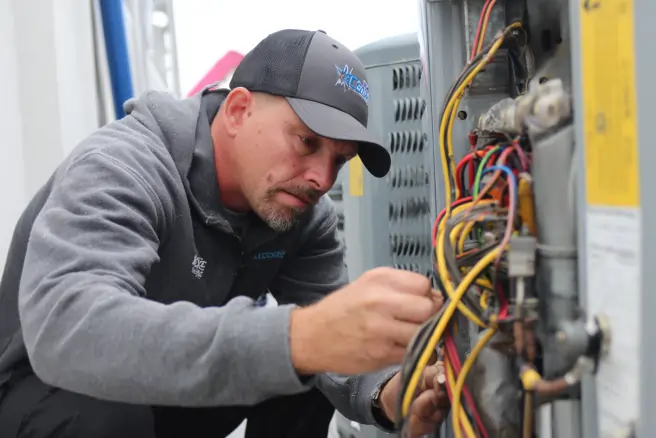
Identifying Air Handler Issues and Finding Reliable Orlando, FL AC Repair

ac repair services orlando

Air handlers are key components of your heating, ventilation, and air conditioning (HVAC) system. They are responsible for circulating conditioned air throughout your home or commercial space. When an air handler malfunctions, it can lead to reduced comfort, inefficiency, or even complete system failure. Recognizing common air handler problems can help prevent costly repairs or replacements in the future. Below is an overview of typical issues and how professional AC service can address them.

Common Air Handler Problems

  1. Dirty or Clogged Air Filters
    Over time, dirt and debris build up in the air filter, restricting airflow and straining the system. This can result in:
  2. Reduced efficiency.
  3. Poor indoor air quality.
  4. Increased energy costs.
  5. Blower Motor Issues
    The blower motor is responsible for moving air through your ducts. If it malfunctions due to wear and tear or electrical issues, you may experience:
  6. Unusual noises (e.g., squealing or rattling).
  7. Weak airflow from vents.
  8. Total loss of airflow.
  9. Leaking Ductwork
    Damaged or poorly sealed ducts allow conditioned air to escape before it reaches its destination. This leads to uneven cooling and higher energy bills.
  10. Frozen Evaporator Coils
    Insufficient airflow caused by dirty filters, a malfunctioning blower motor, or refrigerant issues can lead to frozen coils within the air handler unit.
  11. Electrical Problems
    Faulty wiring, blown fuses, or damaged control boards can disrupt the operation of the air handler entirely.

How Professional AC Service Can Help

  • Inspection & Cleaning: Technicians clean components like filters, coils, and fan blades to improve airflow and performance.
  • Blower Motor Repair: Whether lubricating parts or replacing faulty motors entirely, professionals restore proper airflow.
  • Duct Sealing: Specialized tools like mastic sealant ensure leaks are patched for maximum efficiency.
  • Refrigerant Check: Ensuring proper refrigerant levels prevents freezing coils while maintaining optimal cooling capacity.
  • Electrical Testing: Technicians test connections and replace worn wiring to safeguard against future breakdowns.

Preventative Care Tips

  • Replace filters every 1–3 months as recommended by the manufacturer.
  • Keep vents unblocked by furniture for better circulation.
  • Monitor energy bills for unexpected spikes indicating inefficiencies.

Summary Table: Common Issues vs Solutions

Problem Symptom Professional Solution
Dirty Air Filter Restricted airflow; higher energy bills Regular filter cleaning/replacement
Blower Motor Failure Weak/no airflow; strange noises Motor lubrication/repair
Frozen Coils Unit stops cooling; visible ice on coils Address underlying causes like low refrigerant
Leaky Ductwork Uneven temperatures; wasted energy Proper duct sealing
Electrical Issues System shuts down completely; intermittent operation Inspection & electrical repair

By recognizing early warning signs of trouble with your air handler and scheduling regular maintenance with qualified technicians, you ensure efficient cooling performance year-round while minimizing potential repair costs in the future.

Resolving Air Flow Issues with Reliable AC Service Orlando Experts

Proper airflow is essential for your air conditioner to function efficiently. Poor airflow can lead to uneven cooling, higher energy bills, and even system failure if left unresolved. This section explores common airflow issues, their causes, and how professional AC service can address them effectively.

Understanding Airflow Problems and When to Seek Air Conditioning Repair Orlando, FL

  1. Air filters play a critical role in maintaining proper airflow by trapping dust, dirt, and debris.
  2. Over time, filters can become clogged if not replaced or cleaned regularly.
  3. Restricted air caused by dirty filters forces the system to work harder.
  4. Obstructions such as dirt buildup or physical damage in ducts can reduce airflow.
  5. Leaks in ductwork allow conditioned air to escape before reaching your living spaces.
  6. A malfunctioning blower fan may fail to circulate air properly.
  7. Problems with the fan motor or bearings can cause reduced efficiency and noise.
  8. Evaporator coils that are covered in grime restrict the flow of air through the system.
  9. Dirty coils also impact heat transfer, reducing cooling capacity.
  10. If your AC system is too large or too small for your space, it may struggle to maintain proper airflow.
  11. An oversized unit might cycle on and off frequently without distributing cool air effectively.

Expert Solutions for Airflow Issues from a Leading HVAC Company Orlando, FL

  1. Inspection of Filters:
    During routine servicing, technicians inspect filters for dirt accumulation and replace them if necessary. Replacing filters every 30-90 days ensures optimal performance.
  2. Ductwork Evaluation:
    Professionals assess ducts for blockages or leaks using specialized tools like duct cameras or pressure tests. Repairs typically involve sealing leaks with mastic sealant or aluminum tape.
  3. Fan Maintenance:
    Technicians check blower fans for wear and tear on motors, belts, and bearings while ensuring they operate at the correct speed setting for optimal circulation.
  4. Coil Cleaning:
    Both indoor evaporator coils and outdoor condenser coils are cleaned during servicing using non-corrosive cleaning agents to restore unrestricted airflow.
  5. System Sizing Assessment:
    If undersized or oversized equipment is suspected as a root cause of poor airflow, HVAC professionals may recommend resizing the unit in alignment with Manual J load calculations—a method used to determine accurate heating/cooling needs based on factors like square footage, insulation levels, and climate conditions.

Simple Steps You Can Take Between Services

  • Replace filters regularly (typically every 30-90 days).
  • Keep vents open and unobstructed by furniture or curtains.
  • Inspect duct openings periodically for visible blockages like dust clumps.
  • Trim vegetation around outdoor condenser units to ensure sufficient ventilation.
  • Use ceiling fans alongside your AC system to encourage better circulation.
Problem DIY Fixes Professional Solutions
Dirty Filters Replace filters regularly Ensure filter compatibility
Blocked Ductwork Check accessible areas Clear obstructions; repair leaks
Fan Malfunction None Inspect motor; lubricate parts
Dirty Coils None Safe cleaning with specialized equipment

Maintaining proper airflow not only ensures consistent comfort but also extends the lifespan of your AC system while improving energy efficiency significantly when paired with regular professional maintenance services.

Benefits of Professional AC Inspections for Long-Term Performance

Regular professional inspections of your air conditioning system from https://www.acserviceorlando.net/ play a crucial role in ensuring its efficiency and extending its operational life. Beyond just maintaining cool air during warm months, routine inspections help identify potential issues early while promoting optimal system performance. Below, we outline the key benefits of professional AC inspections and how they contribute to long-term performance.

1. Early Detection of Issues

Professional AC technicians have the expertise to identify minor problems before they escalate into significant, costly repairs. Components such as belts, filters, compressors, or coils may show early wear and tear signs that an untrained eye might miss. Addressing these issues promptly helps:
– Prevent sudden breakdowns
– Avoid emergency repair costs
– Minimize downtime during peak usage seasons

2. Enhanced Energy Efficiency

Over time, dirt and debris can accumulate within the system, forcing it to work harder to achieve desired cooling levels. Professional inspections typically include cleaning components like:
– Air filters
– Evaporator coils
– Condenser coils

This cleaning process reduces strain on the system and ensures energy-efficient operation, leading to lower utility bills over time.

3. Improved Indoor Air Quality

A neglected AC unit can circulate dust, allergens, and other pollutants throughout your home or workplace. Trained technicians check for:
– Clogged or dirty filters
– Mold or bacteria buildup inside ducts or on coils

By addressing these concerns during an inspection, you ensure cleaner air circulation and a healthier indoor environment.

4. Prolonged Equipment Lifespan

Routine maintenance conducted by professionals helps extend the lifespan of your air conditioner by reducing wear on critical components like:
| Component | Common Issue Detected During Inspections | Potential Fixes |
|———————|——————————————|————————-|
| Compressor | Overheating or low refrigerant levels | Refrigerant refill/replacement |
| Fan Motors | Loose connections or motor failure | Retightening/replacement |
| Condenser Coils | Dirt accumulation | Coil cleaning |

By keeping these parts functioning optimally, you can delay the need for a full system replacement.

5. Compliance with Warranties

Many manufacturers require routine professional servicing to maintain warranty validity on air conditioning systems. Skipping annual inspections could void warranty coverage for repairs or replacements—a costly oversight most homeowners aim to avoid.

Tips for Maximizing Inspections’ Effectiveness

While scheduling regular professional check-ups is essential, here are some additional ways to make the most out of these services: 1. Keep a log of past services so technicians can easily identify recurring patterns. 2. Replace basic components like air filters monthly if recommended. 3. Communicate any unusual noises or irregular performance with your technician during their visit.

Investing in regular professional AC inspections enhances system longevity and promotes energy efficiency while delivering peace of mind that your unit will perform reliably when needed most.

Comprehensive Spring HVAC Tune-Up: What Professional AC Service Includes

A comprehensive spring HVAC tune-up is essential to ensure your air conditioning system operates efficiently during the warmer months. Professional AC service providers offer a thorough inspection, cleaning, and maintenance plan tailored to extend the lifespan of your unit while maximizing its performance. Here’s an in-depth look at what a professional spring HVAC tune-up typically includes.

Inspection of System Components

  • Air Filters: Checking for clogged or dirty filters that can obstruct airflow and reduce efficiency.
  • Thermostat Functionality: Ensuring the thermostat accurately measures temperature and communicates with the system.
  • Electrical Connections: Examining and tightening loose connections to prevent electrical hazards or malfunction.
  • Ductwork: Assessing ducts for leaks, blockages, or damage that could compromise air distribution.
  • Refrigerant Levels: Measuring refrigerant levels to ensure proper cooling performance without overloading the compressor.

Cleaning and Maintenance

  • Cleaning Coils: Both evaporator and condenser coils are cleaned to enhance heat transfer efficiency.
  • Drain Line Clearing: The condensate drain line is flushed to prevent clogs that could lead to water damage or mold growth.
  • Fan Blade Cleaning: Removing dirt from fan blades helps maintain proper airflow and reduces strain on the motor.
  • Filter Replacement: Installing new filters improves air quality and ensures proper airflow.

Performance Testing

Test Name Purpose
Airflow Measurement Ensures consistent airflow throughout your home for even cooling distribution
Refrigerant Pressure Test Confirms refrigerant levels are within manufacturer-recommended ranges
System Cycling Test Checks if the system starts, runs, and shuts off correctly

Lubrication of Moving Parts

Friction caused by dry moving parts can lead to wear-and-tear over time. Technicians lubricate components such as motors, bearings, and fans during a spring tune-up to protect against premature failure.

Benefits of a Spring Tune-Up

  1. Improved Efficiency: A clean and well-maintained AC runs more efficiently, lowering energy bills.
  2. Greater Comfort: Optimized cooling ensures consistent temperatures throughout your home.
  3. Extended Lifespan: Early detection of minor issues prevents them from developing into costly repairs later.
  4. Healthier Air Quality: Clean filters and coils contribute to better indoor air quality by reducing allergens like dust and pollen.

Scheduling a spring tune-up with a certified professional ensures that your air conditioning unit is ready for peak summer performance while minimizing risks of breakdowns or unexpected repair costs later in the season.

Exploring the Advantages of Regular AC Service to Prevent Major Repairs

Regular air conditioning (AC) service is a proactive approach to maintaining the performance of your cooling system. By scheduling routine maintenance, you can address minor issues before they escalate into costly repairs or system failures. Below, we explore how regular AC servicing benefits homeowners and helps you avoid major repair expenses.

1. Early Detection of Problems

One of the primary advantages of regular AC service is the ability to identify potential problems early. Technicians perform a thorough inspection of your system, focusing on key components such as:
Compressor: Ensures the heart of your AC is functioning properly.
Refrigerant Levels: Prevents refrigerant leaks that could lower efficiency.
Electrical Connections: Damaged wiring or loose connections are identified and fixed before causing system malfunctions.

Early detection not only prevents expensive repairs but also minimizes unexpected breakdowns during peak seasons when cooling demand is high.

2. Improved System Efficiency

Regular servicing ensures that all components in your air conditioning unit work harmoniously, which optimizes its energy efficiency. Key steps include:
– Cleaning or replacing air filters to improve airflow and indoor air quality.
– Cleaning condenser coils to enhance heat exchange and system performance.
– Lubricating moving parts for smoother operation and reduced wear.

Improved efficiency translates to lower energy consumption and reduced utility bills over time.

Maintenance Task Benefits Frequency
Air filter replacement Enhances airflow, improves air quality Monthly/Quarterly
Coil cleaning Prevents overheating, boosts efficiency Annually
Refrigerant level checks Ensures proper cooling, reduces wear Annually

3. Extending System Lifespan

Consistent servicing ensures that minor issues like dirty components or worn-out parts don’t snowball into severe damage that compromises the entire system. When an AC unit operates under optimal conditions:
– Parts experience less strain and wear-and-tear.
– The likelihood of major component failure decreases significantly.

This proactive care can extend your AC unit’s lifespan by several years—delaying the need for a costly replacement.

4. Reduced Repair Costs

AC service costs are typically far lower than emergency repair costs associated with neglected systems. For example:
– A clogged condensate drain fixed during maintenance might cost a fraction compared to water damage repair from an overflow caused by neglect. – Faulty capacitors replaced during a routine checkup prevent compressor failure—which could cost thousands to replace.

By addressing small issues promptly, you avoid heavy financial burdens caused by major breakdowns.

5. Maintaining Warranty Compliance

Many manufacturers require proof of regular professional service to maintain warranty validity for their equipment. Neglecting scheduled maintenance could void your warranty, leaving you unprotected against manufacturing defects or system failures covered under warranty terms.

Regular AC service isn’t just about preventing discomfort; it’s about safeguarding your investment in home comfort while reducing long-term costs related to repair and replacement needs. Make annual servicing part of your home maintenance plan for sustained performance and peace of mind year-round.

Signs Your Air Conditioner Might Need Replacement and How Professional Service Can Help

Over time, air conditioners experience wear and tear that can compromise their performance. Recognizing the signs that your AC unit might need replacement is vital to maintaining comfort, energy efficiency, and avoiding higher long-term costs. Below are key indicators your air conditioner may be nearing the end of its lifespan and ways professional service can assist in this transition.

Signs Your Air Conditioner Might Need Replacement

  1. If your AC struggles to maintain a comfortable temperature or the airflow from vents feels weak, this could indicate significant internal issues like failing compressors or clogged ductwork.
  2. When repair costs start piling up, especially for major components like capacitors or evaporator coils, replacing the unit may be more cost-effective than continuous servicing.
  3. Older units often consume more electricity as they lose efficiency over time. A sudden spike in energy costs could signal that your AC is no longer running efficiently.
  4. Loud or unusual noises such as grinding, banging, or squealing often indicate mechanical failure. Persistent odors might suggest mold growth in the system or burnt-out wiring.
  5. Most air conditioners have a lifespan of 10-15 years with proper maintenance. Units older than this time frame usually become less efficient and prone to frequent breakdowns.
  6. Systems using outdated refrigerants like R-22 are not only environmentally harmful but also expensive to maintain due to limited availability.

How Professional Service Can Help

  • System Diagnosis:
    Certified HVAC technicians perform detailed inspections to assess component failures and determine if they are repairable or if replacement is more viable.
  • Energy-Efficiency Evaluation:
    Professionals compare your current unit’s SEER (Seasonal Energy Efficiency Ratio) rating with modern high-efficiency models to illustrate potential savings on energy bills.
  • Customized Recommendations:
    Based on your cooling needs, home size, and budget, experts recommend replacement options tailored specifically for optimal performance and cost-effectiveness.

Benefits of Upgrading Your AC System

Benefit Description
Improved Efficiency Modern units with higher SEER ratings consume less energy
Enhanced Comfort Advanced cooling technologies ensure consistent temperatures
Lower Maintenance New systems require fewer repairs compared to aging units
Eco-Friendly Options Environmentally conscious refrigerants reduce carbon footprint

Proactive Steps Before Replacement

  • Schedule a professional inspection to confirm whether repairs are still feasible.
  • Compare estimated repair costs versus upfront investment in a new unit.
  • Evaluate available warranties from manufacturers for added peace of mind.

By recognizing these signs early and consulting with certified professionals, you can ensure a smoother transition toward efficient cooling solutions while minimizing unnecessary expenses over time.

Signs Your Air Conditioner Might Need Replacement and How Professional Service Can Help

As air conditioners age, they begin to exhibit signs of wear and reduced efficiency. Recognizing these indicators early can help you decide whether a replacement is necessary. Professional AC service plays a key role in diagnosing these issues and guiding you through the replacement process if needed. Below are common signs that suggest your air conditioner may need replacement, along with insights into how professional service can assist.

Common Signs Your AC Might Need Replacement

  1. If your AC unit requires frequent repairs, it may be more cost-effective to replace it entirely rather than continuing to invest in frequent servicing.
  2. Constant failures can indicate significant internal wear or an underlying issue that cannot be resolved with repairs alone.
  3. A sudden surge in energy costs could mean that your AC is working harder than necessary due to reduced efficiency.
  4. Older units often consume more energy than newer, energy-efficient models designed to meet modern standards.
  5. Uneven temperatures or an inability to cool your home effectively could signal that the system is no longer capable of maintaining proper performance levels.
  6. This issue may stem from aging components or failing compressors.
  7. Persistent loud noises like grinding, squealing, or rattling can point toward failing internal parts that are costly to replace individually.
  8. Foul odors or musty smells emitted by the system might indicate mold growth, worn-out insulation, or other significant damage.
  9. Most air conditioners have a lifespan of 10–15 years. If your unit falls within this range or exceeds it, upgrading to a new system is often recommended for enhanced reliability and cost savings over time.

How Professional Service Can Help

  • Thorough Assessment: A licensed technician will inspect the entire system to identify whether issues can be resolved through repairs or if replacement is the better option based on the cost-benefit analysis.
  • Energy Efficiency Recommendations: Professionals can help you select an upgraded model that aligns with current energy-efficiency standards (e.g., those rated by SEER). This ensures lower operational costs over time.
  • Proper Sizing & Installation: Incorrectly sized systems lead to inefficiencies; experts ensure you get the right size unit tailored for your home’s cooling needs.
  • Warranty Guidance: If your existing unit’s warranty covers certain components but not labor costs, technicians can guide you through understanding available options while transitioning to a new system.

Comparing Costs: Repair vs Replacement

Factor Repair Costs Replacement Costs Considerations
Frequency of Repairs Repeated costs add up One-time investment Frequent fixes often outweigh replacement value
Efficiency Gains Minimal Significant improvement New systems reduce long-term energy bills
Expected Lifespan 1–3 years 10–15 years A new system offers long-term reliability

Regular professional service ensures small problems don’t escalate into expensive repairs, extending the life of systems when possible while guiding informed decisions about replacements when necessary.


Recognizing When You Need Air Conditioning Repair Orlando, FL Services

Hvac technician performing air conditioner maintenance inspection. Hvac technician performing air conditioner maintenance inspection. 24 hours emergency air conditioning breakdowns and failures repair service. Home insurance. AC Service stock pictures, royalty-free photos & images

Air conditioning systems are essential for maintaining comfort, particularly during hot weather. However, like any mechanical system, they require regular maintenance and may eventually need repairs or replacement. Identifying the signs that your AC system is struggling or failing can help you address issues promptly, preventing further damage and potentially saving you from costly repairs.

Common Signs That Indicate Immediate AC Replacement or Repair is Needed

  1. The air coming from your vents feels warm or not as cool as it should be.
  2. Uneven cooling throughout your home, with some rooms being significantly warmer than others.
  3. If your AC system turns on and off repeatedly in short cycles, this could point to an issue with the thermostat, compressor, or electrical components.
  4. Loud banging, rattling, hissing, or squealing sounds when your AC operates often indicate loose parts, refrigerant leaks, or other mechanical problems.
  5. A sudden spike in your energy bills without any significant change in usage could suggest that your AC system is working harder than usual due to inefficiencies.
  6. Pooling water near your unit may indicate a refrigerant leak or a blocked drain line that needs urgent attention.
  7. Foul smells emanating from vents could be a sign of mold growth within the unit or ductwork—something that requires prompt action for both efficiency and health reasons.
  8. While well-maintained air conditioners can last 10-15 years on average, aging systems are more prone to breakdowns and reduced performance over time.

Repair vs. Replacement: How to Decide

Factor When to Repair When to Replace
Age of System Less than 10 years old More than 10-15 years old
Frequency of Repairs Rarely breaks down Frequent breakdowns despite repairs
Energy Efficiency Still relatively energy-efficient Consumes excessive energy even after tune-ups
Cost of Repairs Repairs are affordable (<50% of replacement cost) Repairs are costly (≥50% of replacement cost)

Benefits of Prompt Action

  • Improved Performance: Your system will function more effectively after timely repair work.
  • Energy Savings: Fixing issues promptly prevents excessive energy consumption caused by struggling components.
  • Prolonged Lifespan: Regular maintenance and timely repairs can extend the life of your AC unit.
  • Enhanced Comfort: A properly functioning air conditioner ensures consistent cooling throughout your space.
  • Safety Assurance: Fixing refrigerant leaks and electrical faults helps maintain a safe indoor environment.

Taking proactive steps when you notice these warning signs will ensure reliable cooling performance while safeguarding against expensive emergency breakdowns in the future.

Signs You May Need AC Service Orlando for a Malfunctioning System

Your air conditioning system plays a crucial role in maintaining comfort and indoor air quality, especially during warmer months. However, like any mechanical system, it may occasionally encounter issues that compromise its performance. Recognizing the signs of a malfunctioning AC early can save you from costly repairs or unexpected breakdowns. Below are some of the most common indicators that your AC system may not be working as it should.

Troubleshooting Common Cooling Issues with an HVAC Company in Orlando, FL

One of the most obvious signs of a problem with your AC is its inability to cool your home effectively. If certain rooms remain warm while others are cold, or if the overall cooling is below expectations, your system may be struggling due to:
– Dirty air filters blocking airflow
– Refrigerant leaks reducing cooling efficiency
– A malfunctioning compressor or fan motor

Performing regular maintenance and checking for obstructions within ducts can help alleviate some of these issues.

1. Unusual Noises Coming from the Unit

A properly functioning AC unit operates quietly. Strange sounds often indicate internal problems. Pay attention to specific types of noises:
Grinding or screeching: Could signal worn-out bearings in the motor
Rattling: Loose components or debris within the unit
Hissing: Possibly due to refrigerant leaks

Addressing these noises promptly can prevent further damage to your system.

2. Increased Energy Bills Without Explanation

If you notice an unexpected spike in energy costs despite no significant changes in usage patterns, your AC might be operating inefficiently due to:
– Clogged condensers or evaporator coils impairing heat transfer
– Aging equipment that has lost efficiency over time

Installing a programmable thermostat and scheduling professional servicing can improve efficiency and lower costs.

3. Frequent Cycling On and Off (Short-Cycling)

When an AC unit starts turning on and off more frequently than usual, it’s often referred to as “short-cycling.” This behavior may result from:
– An oversized air conditioning unit struggling to maintain temperature consistently
– Faulty thermostats providing incorrect temperature readings

Short-cycling not only disrupts comfort but also places unnecessary strain on your unit, potentially leading to premature wear.

4. Excessive Humidity Indoors Despite Cooling Efforts

Air conditioners are designed not only to cool but also dehumidify indoor spaces. If high humidity persists even when the AC is running, potential causes include:
| Cause | Explanation | Solution | |—————————–|————————————————–|——————————————-| | Undersized Unit | The system lacks capacity for proper dehumidification | Upgrade to an appropriately sized system | | Refrigerant Issues | Low refrigerant levels reduce moisture removal | Professional refrigerant recharge | | Malfunction in Dehumidifier Functionality | Improper operation of built-in features | Inspection by an HVAC technician |

Dealing with moisture concerns promptly helps avoid secondary problems like mold growth.

5. Unpleasant Odors Emanating from Vents

Foul smells coming through your vents often point toward issues such as:
– Mold growth inside ducts
– Burnt wiring or overheating components
– Clogged condensate drains leading to stagnant water accumulation

Having an HVAC specialist inspect your system ensures these problems are resolved before they pose health risks.

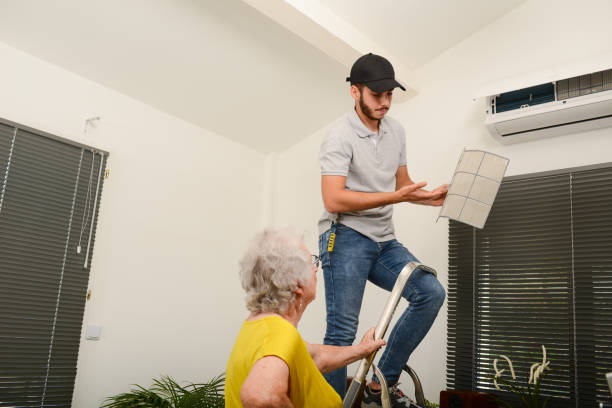
handsome young man electrician cleaning air filter on an indoor unit of air conditioning system in client house with senior woman handsome young man electrician cleaning air filter on an indoor unit of air conditioning system in client house with senior woman AC Service stock pictures, royalty-free photos & images

Taking Action When You Notice These Signs

Ignoring early warning indicators can lead to more significant damages over time. Routine maintenance checks and prompt repairs keep your cooling system functioning efficiently while extending its lifespan. If you observe any of these common indicators, contact a qualified HVAC professional for further evaluation and service recommendations tailored specifically to your needs.

Expert Orlando, FL AC Repair: Ensuring Optimal Performance and Efficiency

Key Components of Professional AC Service

  1. Thorough Inspection
    A professional technician will conduct a comprehensive inspection, identifying potential issues before they escalate into significant problems. This includes:
  2. Checking for refrigerant leaks
  3. Examining electrical connections
  4. Inspecting coils and fan blades
  5. Assessing thermostat functionality
  6. Cleaning Critical Components
    Over time, dust, debris, and mold can build up in various parts of your AC system. Professional cleaning ensures:
  7. Improved airflow efficiency by cleaning air filters
  8. Prevention of coil freezing by removing dirt from evaporator coils
  9. Unclogged drainage systems to avoid water damage
  10. Lubrication of Moving Parts
    Lubricating components like motors and fans reduces friction, which helps prevent wear and tear while optimizing the performance of your system.
  11. System Calibration
    Technicians ensure your thermostat is accurately calibrated and that the system cycles on and off as intended for consistent indoor temperature control.

Benefits of Professional AC Servicing

  • Enhanced Energy Efficiency: Regular servicing eliminates inefficiencies in your system, leading to lower energy consumption and reduced utility bills.
  • Extended Lifespan: Maintenance prevents premature wear on components, helping you avoid an early replacement.
  • Improved Air Quality: Clean filters and ducts reduce allergens like pollen or dust circulating in your home.
  • Reduced Risk of Breakdowns: Identifying minor issues during service prevents unexpected failures during peak usage periods.

Comparison Table: DIY Maintenance vs. Professional Servicing

Aspect DIY Maintenance Professional Servicing
Scope Limited (e.g., filter cleaning) Comprehensive (e.g., inspection, repair)
Expertise Required Basic Advanced technical knowledge
Detection of Issues Superficial In-depth diagnostics
Time Commitment Low Moderate

How Often Should You Schedule AC Service?

  • For residential systems used seasonally: Once per year (preferably before summer).
  • For commercial or heavily-used systems: Twice per year or quarterly maintenance as needed.
  • Older units may require more frequent checks due to wear over time.

Investing in regular professional servicing not only ensures consistent comfort but also safeguards against unnecessary repair costs while promoting energy efficiency throughout your system’s lifespan.

Key Benefits and Advantages of Installing a Heat Pump System in Your Home

A heat pump system is an energy-efficient solution that serves as both a heating and cooling system for your home. By transferring heat rather than generating it, it provides consistent comfort while reducing energy consumption. Below are the key benefits and advantages of installing a heat pump system in your home.

Energy Efficiency

Heat pumps are known for their high energy efficiency compared to traditional HVAC systems.
– Instead of generating heat through combustion or electrical resistance, they move heat from one location to another, consuming less energy in the process.
– Modern heat pumps can achieve efficiencies up to 300%, meaning they produce three times more thermal energy than the electrical power they consume.

Dual Functionality

One of the biggest advantages of a heat pump is its ability to operate as both a heater and an air conditioner:
Heating during winters: Heat is absorbed from outdoor air (even in cold climates) and transferred indoors.
Cooling during summers: The process is reversed, with indoor heat being extracted and released outdoors.
This dual functionality eliminates the need for separate heating and cooling systems, saving space and installation costs.

Lower Operational Costs

While initial installation costs may be higher, the long-term operational savings make heat pumps a cost-effective investment:
– Reduced utility bills due to improved energy efficiency.
– Minimal maintenance requirements compared to systems like furnaces or boilers.

Environmental Benefits

Heat pumps contribute positively to environmental sustainability by reducing carbon emissions:
– They rely on electricity rather than fossil fuels like gas or oil.
– Advanced models often integrate seamlessly with renewable energy sources such as solar panels, further reducing their carbon footprint.

Feature Traditional HVAC Systems Heat Pump Systems
Primary Energy Source Gas or Electricity Electricity
Heating Efficiency Moderate High (up to 300%)
Cooling Functionality Separate AC unit required Integrated with heating

Male Worker Installing Air Conditioner In Apartment During Summer Season. Photo taken in Berlin, Germany AC Service stock pictures, royalty-free photos & images

Improved Indoor Air Quality

Modern heat pumps often come equipped with advanced filtration systems that enhance indoor air quality by removing dust, allergens, and other pollutants. Additionally:
– They maintain consistent humidity levels within your home for greater comfort.
– Reducing airborne particles can be particularly beneficial for individuals with allergies or respiratory issues.

Longevity and Durability

Heat pumps are designed to last longer when properly maintained:
1. Most systems have an average lifespan of 15–20 years. 2. Routine maintenance ensures optimal performance over time. 3. Durable components reduce breakdowns common in older HVAC setups.

Final Thoughts on Heat Pump Installation

By providing year-round comfort while cutting down on energy costs and environmental impact, installing a heat pump system represents a forward-thinking choice for homeowners seeking efficiency and sustainability without compromising performance quality.

When to Call for Emergency HVAC Repair Services to Prevent Further Damage

HVAC systems are crucial for maintaining comfort in your home. However, when they malfunction or break down unexpectedly, it’s important to know when to seek emergency repair services. Delaying repairs may worsen the problem and lead to more expensive fixes down the line. Below are key scenarios and practical tips to help you determine when it’s time to call for emergency HVAC repair services.

Signs You May Need Immediate HVAC Repairs

  • Complete System Failure: If your air conditioner or furnace stops working entirely, especially during extreme weather conditions, it’s critical to address the issue promptly.
  • Unusual Noises: Grinding, banging, or screeching sounds from your HVAC unit could be a sign of mechanical failure.
  • Burning Odor or Electrical Smell: These smells could signal overheating components or electrical issues that may pose a safety risk.
  • Leaking Refrigerant or Water: Pools of water around the system or refrigerant leaks can cause damage to components and impact cooling efficiency.
  • Inconsistent Temperature Regulation: If some rooms are too hot while others remain too cold, this could indicate a failing system that requires immediate attention.

Risks of Delaying Emergency HVAC Repairs

  • Costly Repairs: Minor issues left unaddressed can escalate into major problems requiring expensive repairs.
  • Reduced Efficiency: A malfunctioning system will consume more energy while delivering subpar performance, leading to higher utility bills.
  • Health Hazards: Poor air circulation caused by a failing HVAC system can result in mold growth, allergens spreading indoors, and compromised indoor air quality.
  • Permanent System Damage: Operating a damaged unit may place strain on critical components and lead to irreversible damage.

When Is It Safe to Wait?

Problem Emergency Response Needed?
Restricted Airflow No
Dirty Air Filters No
Thermostat Issues No (in most cases)
Minor Unusual Noises Monitor but not urgent

However, if unsure about the severity of an issue, consulting with a professional is always recommended.

Steps To Take Before Calling Emergency Services

  1. Check your thermostat settings and ensure they’re correct.
  2. Inspect your circuit breakers for any tripped switches.
  3. Replace clogged air filters if airflow seems restricted.
  4. Look for visible blockages near vents or ductwork.

These basic troubleshooting steps might resolve minor issues without requiring professional intervention.

Benefits of Professional Emergency Repair Services

  • Experienced technicians quickly identify root causes and resolve them efficiently.
  • Proper tools and expertise ensure minimal disruption during repairs.
  • Comprehensive inspections prevent potential future breakdowns.

Knowing when to call for emergency HVAC repair services is essential for ensuring comfort in your home while minimizing long-term costs associated with severe damage. Always prioritize timely action when faced with critical issues affecting the performance of your heating or cooling systems.


Ensuring Comfort and Efficiency with Orlando, FL AC Repair

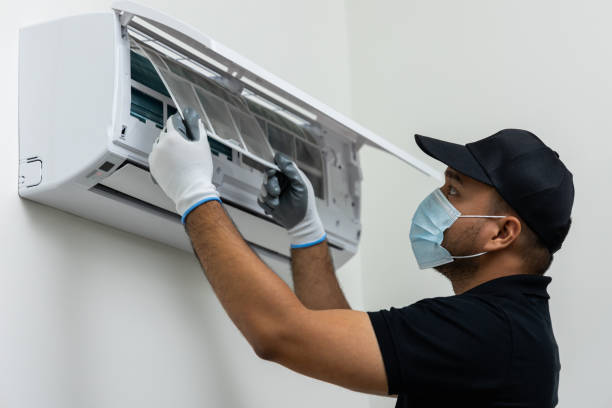
Air conditioner service indoors. Air conditioner cleaning technician He opened the front cover and took out the filters and washed it. He in uniform wearing rubber and mask. Air conditioner service indoors. Air conditioner cleaning technician He opened the front cover and took out the filters and washed it. He in uniform wearing rubber and mask. AC Service stock pictures, royalty-free photos & images

Air conditioning units play a crucial role in maintaining a comfortable living environment, especially in regions with hot and humid climates. Over time, however, even the most efficient AC systems can degrade in performance. Understanding the importance of timely AC replacement can ensure optimal comfort and energy efficiency while avoiding costly breakdowns.

Why AC Replacement is Necessary

  1. Age of the Unit: Most air conditioners have a lifespan of 10–15 years. As components wear out over time, an aging unit may struggle to provide consistent cooling.
  2. Frequent Repairs: If your system requires frequent repairs or if repair costs exceed half the cost of a new unit, it might be more cost-effective to replace the AC.
  3. Energy Efficiency Standards: Older systems often fall short of modern energy efficiency standards. Upgrading to a newer model can significantly reduce energy usage and lower utility bills.
  4. Inconsistent Cooling: Uneven cooling throughout your home could indicate that your current system no longer meets your needs.

Key Benefits of Replacing Your AC

  • Improved Comfort: Modern units are designed with advanced features such as variable-speed compressors, smart thermostats, and zoning capabilities to provide precise cooling tailored to your preferences.
  • Energy Savings: Newer models are more energy-efficient, with higher SEER (Seasonal Energy Efficiency Ratio) ratings that contribute to reduced utility bills over time.
  • Eco-Friendly Options: Many newer systems use environmentally friendly refrigerants like R-410A instead of outdated R-22 refrigerant, which has been phased out due to its ozone-depleting properties.
Feature Old Units Newer Models
SEER Rating Typically 8–13 Often 14–25+
Refrigerant Type R-22 R-410A
Noise Levels Higher Quieter operation
Smart Technology Not available Smart thermostats & app integration

Signs You Should Replace Your Air Conditioner

  1. Unusual noises such as grinding or banging during operation.
  2. Increased humidity levels indoors despite running the system frequently.
  3. Rising monthly energy bills without changes in usage patterns.
  4. Difficulty maintaining consistent temperatures across rooms.

Choosing the Right Replacement Unit

  • Think about the size and layout of your space; an undersized unit will struggle to cool effectively, while an oversized one wastes energy.
  • Look for high SEER-rated models for better efficiency and long-term savings.
  • Consider professional installation services—proper setup ensures peak performance and avoids potential issues down the line.

Timely AC replacement not only enhances comfort but also contributes to greater energy efficiency and reliability in keeping your home cool during the hottest months. By upgrading to modern systems tailored to your needs, you can enjoy both enhanced performance and peace of mind knowing you’re prepared for any weather challenges ahead.

Enhance Energy Efficiency and Save on Cooling Costs with Expert AC Service Orlando

Professional AC service plays a significant role in optimizing your system’s performance, ensuring it consumes less energy while delivering effective cooling. Below, we’ll explore how expert AC service helps improve energy efficiency and reduce expenses.

Key Ways AC Service Boosts Energy Efficiency

  1. Dust and debris can accumulate on critical components like the evaporator coil, condenser coil, and air filters over time.
  2. A professional technician will thoroughly clean these parts to ensure better airflow and cooling performance.
  3. Clean components reduce the strain on your system, helping it operate efficiently.
  4. Proper refrigerant levels are essential for efficient cooling.
  5. Low refrigerant levels force the system to work harder, increasing energy consumption.
  6. Technicians can assess your thermostat settings to maximize energy savings without compromising comfort.
  7. Programmable thermostats or smart thermostats may be recommended to help you manage cooling schedules more effectively.
  8. Friction due to poorly lubricated components can lead to inefficiencies in operation.
  9. A professional AC technician will lubricate moving parts like motors and fans to prevent wear and improve performance.

Benefits of Lowering Cooling Costs Through Expert Service

  • Reduced Utility Bills: Effective maintenance ensures that your system uses minimal energy while maintaining optimal cooling output, leading to lower electricity bills.
  • Prolonged System Lifespan: An efficiently running unit experiences less wear-and-tear, delaying major repairs or replacement needs.
  • Decreased Carbon Footprint: Efficient systems consume less power from fossil-fuel-based sources, reducing greenhouse gas emissions.

Cost Savings Table: Before and After Professional Service

Component Inefficient System (Pre-Service) Efficient System (Post-Service)
Monthly Energy Cost $150 $110
Average Lifespan 10 Years 12–15 Years
Repair Frequency Every Summer Less Frequent

Note: Figures are estimates based on typical residential usage.

Energy-Saving Tips From Professionals

  • Seal windows and doors to prevent cooled air from escaping.
  • Install ceiling fans to circulate cool air more effectively.
  • Replace old air filters every 1–3 months during peak usage seasons.
  • Schedule annual tune-ups with a licensed HVAC technician.

By staying proactive with professional AC service, you can enjoy a cooler home environment while keeping costs under control. Regular maintenance not only enhances energy efficiency but also ensures your system performs reliably when you need it most.

Enhance Energy Efficiency and Save on Cooling with Air Conditioning Repair Orlando, FL

Reducing energy consumption while maintaining a cool and comfortable indoor environment is a priority for many homeowners. Expert AC service plays a significant role in achieving this goal by optimizing system performance, minimizing wastage, and ensuring the air conditioning unit runs efficiently. Below are practical ways professional AC service helps improve energy efficiency and lowers cooling costs.

a professional an electrician repairman is repairing a heavy duty central air conditioner unite at the roof top a professional an electrician repairman is repairing a heavy duty central air conditioner unite at the roof top and wearing blue uniform AC Service stock pictures, royalty-free photos & images

Top Reasons to Choose an HVAC Company Orlando, FL for Energy-Efficient AC Service

  1. System Cleaning
    Dust, dirt, and debris can accumulate in various parts of an air conditioning system over time, such as filters, coils, and ducts. This buildup restricts airflow, forcing the unit to work harder to cool your home.
  2. Uninterrupted airflow
  3. Reduced strain on the system
  4. Lower electricity consumption
  5. Filter Replacement
    A clogged or dirty air filter reduces efficiency by blocking airflow and recycling unclean air into your home.
  6. Filters are inspected for contamination or damage
  7. Technicians replace or clean filters as needed to enhance efficiency
  8. Refrigerant Level Checks
    Low refrigerant levels can diminish an AC’s cooling capacity and lead to higher energy use.
  9. Preventing compressor damage due to low pressure
  10. Maintaining consistent cooling without additional power draw
  11. Thermostat Calibration
    An improperly calibrated thermostat may cause your AC system to run longer than necessary, wasting energy. HVAC professionals align the thermostat for accurate readings so that your unit operates only when needed.

Cutting Cooling Costs Through Preventative Maintenance

Regular maintenance not only improves efficiency but also extends the life of your air conditioner while reducing operating costs over time.

  • Lower Repair Costs:Routine inspections catch potential issues early before they escalate into expensive repairs.
  • Longer Equipment Lifespan:A well-maintained unit experiences less wear and tear, delaying costly replacements.
  • Improved SEER Ratings:With proper care, an older system can maintain its Seasonal Energy Efficiency Ratio (SEER), maximizing cooling output per watt consumed.
Service Task Benefit Estimated Savings (%)
Cleaning Air Filters Improved airflow 5–15%
Coil Maintenance Enhanced heat exchange 10–20%
Refrigerant Refill Consistent cooling performance 10–15%

Tips to Maintain Efficiency Between Services

  • Seal any gaps around windows or doors to prevent cool air from escaping prematurely.
  • Use ceiling fans alongside your AC unit for better circulation.
  • Set thermostats at moderate temperatures (e. g. , 75°F) instead of overcooling the home.

By combining expert AC service with proactive maintenance habits, you can ensure an efficient system that not only keeps you comfortable but also lowers utility bills significantly over time.

Professional AC service plays a crucial role in enhancing your home’s air quality. Below are some ways expert AC maintenance can help improve IAQ.

Comprehensive Cleaning of AC Components

Professional AC service involves cleaning critical components of your system that directly impact the air you breathe:
Air Filters:Dirty filters restrict airflow and allow dust, pollen, and other allergens to circulate indoors. Technicians clean or replace filters to ensure proper filtration.
Ductwork:Over time, dust, debris, and mold may accumulate in your ductwork. Regular duct cleaning helps eliminate these contaminants.
Evaporator Coils:Expert technicians clean the coils thoroughly.

Improved Ventilation

A professional AC service ensures your system is ventilating properly by checking for blockages or leaks in the ductwork and vents. Poor ventilation traps pollutants within the home, compromising IAQ.

Dehumidification Adjustments

A well-maintained air conditioner regulates indoor humidity effectively. Technicians check the system’s dehumidification performance during routine maintenance and make adjustments if necessary.

Recommendations for Air Purification Systems

Your technician may suggest additional solutions to enhance IAQ further: – Installing UV lightswithin your HVAC system to kill bacteria and mold.air purifierto capture fine particles like smoke or pet dander.HEPA filtersfor superior filtration.

Here are a few signs that indicate you may need professional attention:
| Sign | Possible Cause | Suggested Action |
|——|—————-|——————|
| Frequent allergy symptoms indoors | Dusty ducts or dirty filters | Schedule duct cleaning and replace filters |
| Musty odors | Mold growth in ducts or on coils | Professional inspection and cleaning required |
| Excessive dust buildup on surfaces | Inefficient filtration or leaks in ductwork | Repair leaks and upgrade filtration system |

Regular Maintenance Is Key

Ensuring regular AC service reduces pollutant buildup while extending your system’s lifespan. Homeowners should schedule professional maintenance at least twice a year for optimal performance.

By leveraging expert services, you can breathe cleaner air while enjoying consistent cooling comfort throughout the year.

Recognizing the Indicators That Your Air Conditioning Unit Requires Immediate Replacement

Air conditioning systems play a crucial role in maintaining home comfort, especially during peak summer months. However, like any mechanical system, air conditioners have a finite lifespan and may exhibit signs of wear and inefficiency over time. Recognizing the need for immediate replacement can save you from costly repairs and ensure uninterrupted cooling. Below are key indicators to watch for that suggest it may be time to replace your AC unit.

If you find yourself repeatedly calling for AC repairs, it may be more cost-effective to invest in a new unit. Over time, repair costs can add up significantly, often nearing or exceeding the expense of a replacement system.

  • Repair frequency:Needing multiple repairs within a year is a red flag.
  • Cost comparison:If repair costs exceed 50% of the price of a new unit, replacement is generally recommended.
  • Difficulty finding parts:Older units may require parts that are no longer manufactured or are costly to source.

Older air conditioning systems often consume more energy than newer models equipped with modern efficiency standards like those outlined by ENERGY STAR®.

  • A sudden spike in energy bills even with consistent usage patterns.
  • The inability of your system to keep up with cooling demands on hot days.
  • An outdated SEER (Seasonal Energy Efficiency Ratio) rating below industry-recommended levels.

Investing in an energy-efficient AC will not only reduce utility costs but also lower your environmental footprint.

  • A failing compressor or blower motor.
  • Aging ductwork that no longer distributes air effectively.
  • Undersized or improperly installed equipment unable to meet your home’s cooling needs.

Replacing the unit can help ensure consistent comfort throughout every room.

The age of your air conditioner is one of the most reliable indicators it’s time for an upgrade. Most AC units have an average lifespan of 10–15 years when properly maintained.

System Age Action Needed
Less than 10 years old Repair might still be cost-effective
10–15 years old Evaluate repair vs replacement
Over 15 years old Likely due for immediate replacement

Upgrading to modern models ensures access to improved performance and innovative features like smart thermostats.

Unusual noises such as grinding, squealing, or rattling often signal serious operational issues like motor failure or loose components that could necessitate full system replacement. Similarly, persistent odors such as burning smells may point toward failing electrical parts—an issue best addressed by replacing outdated systems before safety hazards arise.

Recognizing these signs allows homeowners to act proactively before experiencing complete system failure during critical times like heatwaves. Modern replacements offer advanced features such as programmable thermostats, variable-speed motors, and enhanced filtration systems—delivering reliable performance while improving overall indoor comfort and energy savings long-term.

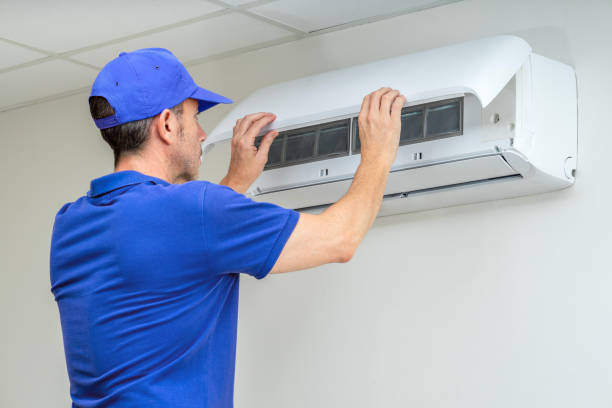
Male technician in overalls and a blue cap repairs an air conditioner on the wall Male technician in overalls and a blue cap repairs an air conditioner on the wall. AC Service stock pictures, royalty-free photos & images

Ensure Consistent Cooling Performance with Reliable AC Service Solutions

To maintain a consistently comfortable indoor environment, it is crucial to invest in reliable air conditioning (AC) service solutions. Regular maintenance and timely servicing of your AC system can prevent performance issues, unexpected breakdowns, and costly repairs. Below is a detailed look into how reliable AC service ensures consistent cooling performance.

Key Benefits of Reliable AC Service

  1. Improved Cooling Efficiency:
    A well-maintained AC unit operates at optimal efficiency, ensuring that your home stays consistently cool even during peak summer months. Dirty filters, clogged ducts, or low refrigerant levels can disrupt cooling performance, but regular servicing addresses these issues effectively.
  2. Extended System Lifespan:
    Routine maintenance reduces the strain on your AC system components by preventing wear and tear. This extends the lifespan of your unit and delays the need for costly replacements.
  3. Energy Savings:
    An efficiently running AC consumes less energy. Through regular inspections and tune-ups, technicians ensure that all components work together seamlessly to minimize energy consumption without compromising performance.
  4. Reduced Risk of Breakdowns:
    Reliable service providers perform thorough inspections to identify potential problems before they escalate into major breakdowns. This not only saves money on emergency repairs but also ensures uninterrupted cooling during hot weather.

What Does Reliable AC Service Typically Include?

Task Purpose
Filter Cleaning/Replacement Ensures unrestricted airflow for consistent cooling output
Refrigerant Level Check Maintains proper cooling capacity by ensuring adequate refrigerant levels
Thermostat Calibration Ensures accurate temperature control for efficient operation
Coil Cleaning (Evaporator & Condenser) Enhances heat exchange efficiency and prevents overheating
Electrical Component Inspection Identifies wiring or component defects to ensure safe operation
Lubrication of Moving Parts Reduces friction to prevent premature wear

Signs That Indicate You Need Immediate Servicing

  • Uneven cooling across different rooms in your home
  • Unusual noises such as grinding or squealing from the unit
  • A sudden increase in energy bills despite consistent usage patterns
  • Frequent cycling on and off without maintaining desired temperatures

Choosing a Reliable AC Service Provider

Selecting a trusted service provider is critical for achieving consistent cooling performance.

  1. Look for certified technicians with experience in handling your specific type of air conditioning system.
  2. Read customer reviews or ask for recommendations from friends or family.
  3. Inquire about warranties or guarantees offered on services provided.
  4. Ensure they offer transparent pricing without hidden costs.

Regular and reliable air conditioning service is essential to enjoy uninterrupted comfort in your home while also protecting your investment in the long run. Investing time in choosing the right professionals will pay off through energy savings, improved system longevity, and superior indoor comfort year-round.

What Is Included in a Comprehensive AC Service Package?

It goes beyond simple repairs or quick fixes, providing a thorough evaluation and maintenance of your unit.

Inspection and Diagnostics

The first step in any comprehensive service is a full system inspection.
Checking electrical connections to ensure safe and efficient operation.
Examining thermostats to confirm proper calibration and functionality.
Inspecting refrigerant levels to avoid undercharging or overcharging, which affects cooling performance. – Assessing all major components (compressor, evaporator coil, condenser coil) for wear and tear or damage.

Cleaning Services

Dust and debris can significantly reduce the efficiency of an air conditioning unit.
Air filters:
Evaporator coils:Removing dirt from coils allows for better heat exchange.
Condenser coils:Outdoor units are cleared of grime, leaves, and other debris that could block airflow.Drain lines:Blocked condensate drain lines are unclogged to prevent water leaks or backups.

Lubrication of Moving Parts

To reduce friction and ensure smooth operation, technicians will lubricate critical moving parts such as fans or motors.

System Testing

Once maintenance tasks are completed, the technician will test the system to confirm it’s functioning as intended.
1. Verifying that airflow is consistent across all vents. 2. Testing cooling performance by measuring output temperatures at various settings. 3. Checking for unusual noises or vibrations caused by mechanical issues.

Optional Enhancements

In addition to standard maintenance tasks, some packages may also offer optional services like: – Upgrading thermostats to smart models for advanced control options. – Replacing ductwork if significant air leakage is detected. – Installing UV lights inside the unit for improved disinfection capabilities.

Service Feature Benefits Frequency Recommendation
Filter Cleaning/Replacement Improved airflow; better indoor air quality Monthly/Quarterly
Coil Cleaning Enhanced cooling efficiency Annual
Refrigerant Level Check Consistent cooling; avoids system strain Annual
Electrical Inspection Prevents malfunctions; ensures safety Annual

A well-rounded AC service package should address all aspects of your unit’s health while focusing on both immediate needs and preventive measures. By opting for such a package annually or semi-annually, you can enjoy uninterrupted comfort during warmer months while reducing long-term repair costs.

Identifying When You Need Orlando, FL AC Repair for Your Air Conditioning Unit This Summer

Technician is checking air conditioner,measuring equipment for filling air conditioners. Technician is checking air conditioner,measuring equipment for filling air conditioners. AC Service stock pictures, royalty-free photos & images

As the temperature rises during summer, your air conditioning system becomes an essential part of maintaining a comfortable indoor environment. However, like any other mechanical system, your AC may encounter problems that need prompt attention. Early recognition of these signs can prevent further damage and costly repairs.

Common Indicators Your AC Needs Professional Service

  1. Insufficient Cooling
    If your air conditioner is no longer cooling your home effectively, this is a clear sign something is wrong. Whether it’s blowing warm air or struggling to maintain the set temperature, a professional inspection may be necessary to address potential underlying issues.
  2. Frequent Cycling
    Does your AC turn on and off more frequently than usual? This behavior, known as short cycling, might indicate problems with the thermostat, electrical components, or refrigerant levels.
  3. Unusually High Energy Bills
    A sudden spike in energy bills without an apparent reason often points to decreased efficiency in your air conditioning system. Components like dirty filters or malfunctioning compressors could be forcing the unit to work harder than it should.
  4. Strange Smells or Noises
    Foul odors such as burning smells or musty odors could indicate electrical issues or mold growth inside the system. Similarly, grinding, squealing, or banging noises suggest worn-out parts that need immediate attention.
  5. Moisture Problems or Leaks
    The presence of moisture around your AC unit isn’t normal and could result from issues such as refrigerant leaks or clogged drainage lines.

Why Addressing These Signs Matters

  • Permanent damage to essential components like compressors and coils.
  • Reduced comfort due to inefficient performance.
  • Expensive repairs if minor problems escalate into major breakdowns.
  • Decreased energy efficiency resulting in higher utility costs.
  • Shortened lifespan of the overall system.

Actionable Steps for Homeowners

  • Inspect Filters: Dirty filters can restrict airflow and reduce cooling efficiency. Replace them regularly based on manufacturer recommendations (typically every 1–3 months).
  • Check Thermostat Settings: Ensure that the thermostat is set correctly and functioning properly. Switching from “auto” mode to “on” mode temporarily can help determine if there’s an airflow problem.
  • Clean Around Outdoor Units: Leaves and debris around outdoor condenser units can obstruct airflow; keep this area clean for optimal performance.

If these troubleshooting steps don’t resolve the problem—or if you suspect something more serious—it’s essential to contact a licensed HVAC technician for professional service.

Symptom Potential Issue Recommended Action
Weak Cooling Low refrigerant levels Contact an HVAC technician
Frequent Cycling Faulty thermostat Inspect thermostat wiring
Moisture Around Unit Clogged drain line Clean drain line/refer technician
Loud Noises Worn motor bearings Schedule professional repair

By staying vigilant about these indicators and acting promptly when they arise, you can ensure your AC operates efficiently throughout the summer while avoiding unnecessary stress and expense.

Common Reasons for Weak or Warm Airflow and When to Seek Air Conditioning Repair Orlando, FL

Weak or warm airflow from your air conditioning system can significantly affect your comfort, especially during the summer months. This issue often indicates that your AC unit is not functioning efficiently and requires attention. Below, we explore potential causes of this problem and practical steps to address them.

Common Causes of Weak or Warm Airflow

  1. Dirty or clogged air filters restrict airflow, preventing your system from effectively cooling your home.
  2. Regularly replacing or cleaning filters, typically every 1–3 months, can resolve this issue.
  3. Leaks, cracks, or blockages in ductwork reduce the amount of cool air reaching different areas in your home.
  4. Professional inspection and sealing of ducts can restore proper airflow.
  5. Low refrigerant levels due to leaks may impede the cooling process, leading to warm air circulation.
  6. A licensed technician should locate and repair leaks before refilling refrigerant.
  7. Furniture, curtains, or other obstructions covering vents can limit airflow into rooms.
  8. Ensure all vents are clear and unobstructed for optimal performance.
  9. The blower fan is responsible for pushing air through the vents. If it’s damaged or malfunctioning, airflow will weaken.
  10. Repairs might involve lubricating mechanical parts, tightening loose belts, or replacing worn components.

Steps to Diagnose Weak Airflow

  1. Check if filters are clean or need replacement.
  2. Inspect visible duct connections for gaps.
  3. Listen for unusual noises near the blower motor that might indicate damage.
  4. Confirm vents aren’t blocked by household items.
  5. Monitor whether certain rooms are cooler than others—this often signals a duct issue.

Impact on Energy Efficiency

Problematic Component Consequence on Energy Efficiency
Clogged Filters Higher energy use due to restricted airflow
Leaky Ducts Cool air escapes before reaching designated spaces
Low Refrigerant Levels Reduced cooling efficiency leads to prolonged runtimes
Malfunctioning Blower Fan Inconsistent performance increases operational strain

Addressing these issues promptly ensures consistent cooling while keeping energy bills manageable.

Preventive Maintenance Tips

  • Schedule annual professional tune-ups to identify developing problems early.
  • Replace filters regularly based on manufacturer recommendations.
  • Keep outdoor units clear of debris like leaves and grass clippings for proper ventilation.
  • Inspect ducts periodically for visible signs of wear and tear.

Ensuring proper maintenance not only resolves weak airflow but also extends the lifespan of your AC system while improving its overall efficiency during peak summer months.

Tips from a Trusted HVAC Company Orlando, FL on Addressing Strange or Loud Air Conditioner Noises

Strange or loud noises coming from your air conditioning unit are often an indication of underlying issues that require immediate attention. Regular operation of an AC system should be relatively quiet, so unusual sounds are a clear sign that something may not be functioning as it should. Below, we’ll explore common noises your AC might produce, their potential causes, and how to address them effectively.

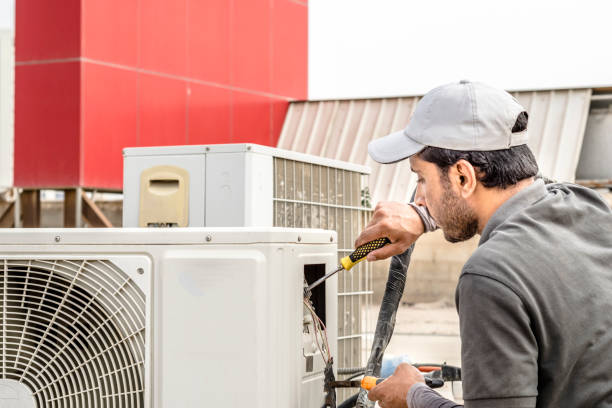
HVAC Technician Working on Air Conditioning Unit Outdoors on a Sunny Day A technician repairs an air conditioning unit outside, meticulously organizing tools in a bag while seated on the grass. AC Service stock pictures, royalty-free photos & images

Common Noises and Their Potential Causes

  1. Cause: A loose or broken part inside the compressor or fan assembly could cause banging sounds. These parts might include connecting rods, pistons, or other internal components.
  2. Solution: Turn off the system immediately to avoid further damage and contact a licensed HVAC professional for inspection and repairs.
  3. Cause: Repeated clicking when the system starts up could indicate an electrical issue in components such as the control panel or thermostat.
  4. Solution: This issue often requires professional troubleshooting to repair faulty wiring or replace malfunctioning electrical components.
  5. Cause: A humming noise may suggest a problem with the motor, refrigerant piping, or loose parts vibrating when the unit is running.
  6. Solution: Tighten any loose screws if accessible but call a technician if the noise persists.
  7. Cause: High-pitched squealing can indicate issues such as a worn belt (in older units) or motor bearings that need lubrication.
  8. Solution: If you notice this sound consistently, seek professional servicing to avoid damage to key components.
  9. Cause: Hissing may point towards refrigerant leaks in the coils or ductwork problems.
  10. Solution: Refrigerant-related issues should always be handled by certified technicians due to safety concerns and environmental regulations.
  11. Cause: Buzzing could stem from electrical issues like loose wires, failing capacitors, or problems with the condenser coil.
  12. Solution: Disconnect power to your AC unit and have it inspected by a qualified HVAC expert.

Steps for Troubleshooting

  • Check for debris around outdoor units that might obstruct fans.
  • Inspect vents for blockages caused by dirt accumulation or furniture placement.
  • Tighten visible screws on panels if they appear loose.
  • Replace HVAC filters regularly; clogged filters can lead to airflow imbalance and unusual sounds.

Preventative Maintenance Tips

Maintenance Task Frequency Purpose
Clean/Replace Air Filters Every 1–3 Months Ensures proper airflow and reduces strain on components
Professional Inspection Biannually (Spring/Fall) Identifies early signs of wear and tear
Lubricate Moving Parts Annually Prevents squeaking and mechanical breakdowns
Clear Debris Around Unit Monthly Improves efficiency by ensuring unobstructed airflow

By taking these steps consistently throughout your system’s life cycle, you can reduce unexpected breakdowns while keeping repair costs manageable over time.

Addressing loud noises promptly not only extends your AC unit’s lifespan but also ensures continued comfort during peak summer months without interruptions caused by malfunctions.

Exploring Reasons Behind Unusually High Energy Bills Caused by AC Issues

An unexpected spike in your energy bill during the summer months could be a warning sign that your air conditioning (AC) system is underperforming or facing issues. There are several potential reasons for this problem, and understanding them can help you take prompt action to restore efficiency and reduce costs.

Common Causes of High Energy Bills Related to Your AC

  1. When air filters are clogged with dust, debris, or allergens, your AC has to work harder to circulate air.
  2. This increased strain results in higher energy consumption.
  3. Regularly replacing or cleaning air filters every 1-3 months can prevent this issue.
  4. Damaged or improperly sealed ductwork allows cool air to escape into unconditioned spaces, such as attics or crawl spaces.
  5. Leaks in ducts reduce cooling efficiency and make the system consume more power to maintain the desired temperature.
  6. Professional duct sealing can address these losses effectively.
  7. Low refrigerant levels due to leaks or improper charging reduce the cooling capacity of your AC unit.
  8. This causes the compressor to run longer cycles, increasing energy usage.
  9. A licensed technician should inspect the refrigerant levels and address any leaks promptly.
  10. Older AC systems may lack energy-efficient features found in modern units.
  11. Worn-out components like compressors, fans, or capacitors make it harder for the system to operate efficiently.
  12. Upgrading an outdated unit can significantly lower electricity costs over time.

Proactive Steps for Prevention

  • Schedule Routine Maintenance: Annual maintenance involves cleaning components, checking refrigerant levels, inspecting wiring, and ensuring that all parts operate optimally. Preventive care is often less expensive than reactive repairs.
  • Invest in a Programmable Thermostat: A programmable thermostat ensures precise control over indoor temperatures based on occupancy schedules. This minimizes unnecessary cooling when no one is home.
  • Seal Cracks and Insulation Gaps: Poor insulation forces your AC system to work harder by losing cool air through walls, windows, or doors. Inspecting and sealing these gaps with caulking or weatherstripping helps maintain consistent temperatures indoors.

Comparing Energy Costs from Faulty vs Well-Maintained Units

Condition of AC Unit Average Monthly Cost* Approximate Yearly Savings with Maintenance
Poorly Maintained (Inefficient) $150-$250 $200-$500
Well-Maintained (Efficient) $100-$150

*Estimates vary depending on local electricity rates and unit size.

By identifying inefficiencies early and maintaining your air conditioner regularly, you can significantly reduce both energy bills and repair expenses while extending the lifespan of your cooling system.

What Moisture or Leaks Around Your Air Conditioner Could Mean for Its Efficiency

Moisture or leaks around your air conditioning unit are often overlooked, but they can be a clear indication that something isn’t functioning as it should. Addressing these issues promptly is essential to maintain the efficiency and longevity of your AC system. Let’s explore the potential causes and implications of this common problem, as well as steps you can take to resolve it.

Common Causes of Moisture or Leaks

  1. The condensate drain line removes excess moisture from the air during the cooling process.
  2. Over time, it may become clogged with dirt, mold, or debris, leading to water buildup and leaks.
  3. When refrigerant levels are low due to leaks, it can cause coils to freeze and melt, resulting in unusual moisture around your unit.
  4. This not only leads to inefficiency but can also harm surrounding surfaces.
  5. In some systems, a condensate pump moves collected water away from the unit.
  6. A malfunction in this pump may prevent proper drainage, allowing water to pool near your AC.
  7. Over time, the drip pan that collects condensation can rust or crack.
  8. A damaged pan will fail to hold water effectively, causing spills or leaks.
  9. High indoor humidity levels could overwhelm the AC’s ability to remove moisture efficiently.
  10. This may result in noticeable condensation forming around the unit.

Why Moisture Around Your AC Matters

  • Reduced Efficiency: Water buildup impairs components like coils and motors, making the system work harder than necessary.
  • Increased Mold Growth: Standing water encourages mold and mildew formation, which may spread allergens into your home.
  • Structural Damage: Persistent leaks have the potential to damage walls, ceilings, and flooring close to the AC system.

Steps You Can Take

  1. Inspect Regularly: Check for visible signs of condensation near or underneath your unit during routine maintenance sessions.
  2. Clean Drain Lines: Flush out blocked lines using a mixture of bleach and water periodically to prevent clogs caused by debris buildup.
  3. Replace Drip Pans: If you notice cracks in your drip pan during inspections, replace it immediately before further damage occurs.
  4. Monitor Refrigerant Levels: Have a licensed technician check refrigerant levels annually since leaks require professional repairs.
  5. Install a Dehumidifier: To better manage humidity indoors, consider installing a whole-home dehumidifier alongside your AC system for optimal cooling performance.
Problem Likely Cause Recommended Solution
Standing Water Nearby Clogged Drain Line Clean drain line using bleach solution
Excessive Condensation High Humidity Levels Install whole-home dehumidifier
Rusted Metal Components Damaged Drip Pan Replace drip pan immediately

Proactively addressing these concerns not only enhances energy efficiency but also ensures a healthier indoor environment for you and your family all summer long.

Man hand hold air conditioner filter cleaning concept. Man hand hold air conditioner filter cleaning concept. AC Service stock pictures, royalty-free photos & images

Addressing Hot or Uneven Zones in Your Home with Expert AC Service Orlando

Hot or uneven zones in your home during the summer can be both uncomfortable and a clear indicator that your air conditioning system may not be operating efficiently. Understanding why this issue occurs and how to address it can save you from unnecessary frustration and high energy costs.

Common Causes of Hot or Uneven Zones

  1. Ducts distribute cooled air throughout your home, but if they are blocked or have leaks, certain rooms may not receive adequate airflow.
  2. Leaks can cause cooled air to escape before it reaches the intended area.
  3. An undersized unit might struggle to cool larger spaces effectively, leaving some areas warmer than others.
  4. Conversely, an oversized system may short cycle, cooling some zones quickly while leaving others under-cooled.
  5. Rooms with inadequate insulation allow heat to enter more easily, making it harder for your AC to maintain consistent temperatures across your home.
  6. Furniture, curtains, or other objects blocking vents reduce proper airflow distribution and cause uneven cooling.
  7. A thermostat located in a particularly hot or cold spot may misread the overall temperature of your home, leading to uneven cooling.

Steps to Address Uneven Cooling

  • Inspect and Clean Ductwork: Ensure there are no obstructions like dirt, debris, or damage within the duct system. Seal any gaps with professional-grade duct tape to prevent air loss.
  • Evaluate AC Size: Consult an HVAC professional to determine if your unit is appropriately sized for your home’s square footage and layout.
  • Improve Insulation: Add insulation to walls, attics, and crawl spaces if needed to minimize heat gain during summer months.
  • Unblock Vents: Rearrange furniture or remove obstacles that are covering supply registers.
  • Utilize Zoning Systems: Install a zoning system with multiple thermostats that allow for precise control over individual areas within the home.
  • Upgrade Thermostat: Replace outdated thermostats with programmable or smart models that more accurately monitor temperatures.

Table: Quick Fixes Based on Issue

Problem Solution Approximate Cost
Blocked Vents Clear obstructions Free
Leaky Ducts Seal ducts $200-$600
Poor Insulation Install/upgrade insulation $1-$3 per sq.ft
Thermostat Placement Relocate thermostat $100-$300
Outdated System Upgrade HVAC unit $3,000-$7,000+

Preventative Measures

  1. Schedule regular maintenance for your HVAC system at least twice yearly (spring and fall).
  2. Monitor airflow from vents periodically to ensure consistent performance across rooms.
  3. Replace air filters every 1-3 months depending on usage levels and environmental conditions like pet hair or dust accumulation.
  4. Avoid drastic thermostat settings; small adjustments maintain balance without overloading the system.

Identifying hot spots early ensures timely solutions that enhance comfort while keeping energy efficiency intact throughout the season.


How often should you schedule Orlando, FL ac repair to ensure optimal performance

Car air conditioner check service, leak detection, fill refrigerant.Device and meter liquid cooling in the car by specialist technicians. Car air conditioner check service, leak detection, fill refrigerant.Device and meter liquid cooling in the car by specialist technicians. AC Service stock pictures, royalty-free photos & images

Regular servicing of your air conditioner is essential for maintaining its efficiency, avoiding costly repairs, and ensuring a longer lifespan. Many homeowners and businesses overlook routine maintenance, which can lead to unexpected breakdowns, higher energy consumption, and a decline in indoor air quality. Understanding how often an AC system should be serviced is key to keeping it running smoothly.

Recommended Frequency of AC Servicing

The frequency at which your air conditioner needs servicing depends on factors such as its type, usage pattern, and environmental conditions. Here’s a general guideline:
Residential Air Conditioners: It is recommended to have your AC serviced at least once a year, ideally before the start of the summer season.
Commercial Air Conditioning Units: Due to continuous usage, these systems may require servicing twice a year, typically during spring and fall.
Heavy Usage or Harsh Environments: If you live in areas with extreme heat or heavy pollution levels, more frequent maintenance (every 6 months) may be necessary.

Why Annual or Biannual Maintenance Is Critical

Scheduling regular check-ups ensures that potential issues are addressed before they escalate into major problems. Professional technicians inspect components like:
– The evaporator coil and condenser coil for cleanliness
– Refrigerant levels for proper cooling performance
– Electrical connections for safety hazards
– Filters for clogging or dirt buildup

This proactive approach minimizes the risk of sudden breakdowns during peak usage times.

Factors That May Lead to More Frequent Servicing Needs

While annual servicing is generally sufficient for most systems, certain conditions may warrant more frequent checks:
1. Excessive Usage: If the AC runs almost 24/7 during hot months. 2. Pets in the Home: Pet hair can clog filters quickly. 3. Allergy Management: Ensuring clean filters and ducts to maintain healthy indoor air. 4. Older Systems: Units over 10 years old may require extra attention.

Environmental Factor Impact on AC Service Frequency Suggested Maintenance Interval
Dusty or Polluted Areas Increased dirt accumulation in coils Every 6 months
High Humidity Strain on the unit’s dehumidification Every 6 months
Proximity to Sea Salt Corrosion risk due to salt exposure Every 4–6 months

Benefits of Routine Air Conditioner Servicing

Delaying routine service can compromise your system’s efficiency over time. Regular maintenance offers several benefits: – Improved energy efficiency leading to reduced electricity bills. – Enhanced cooling performance even during extreme weather. – Reduced likelihood of costly repairs. – Extended equipment lifespan.

By sticking to a consistent service schedule tailored to your specific needs and environment, you can ensure that your air conditioning system provides reliable performance throughout its intended lifespan without unnecessary disruptions or expenses.

Avoid the Risks of Delaying Air Conditioning Repair Orlando, FL

  • Decline in Performance: Dust, dirt, and debris accumulate over time, reducing airflow and cooling efficiency.
  • Increased Energy Bills: An unmaintained system works harder to cool your space, consuming more energy.
  • Frequent Breakdowns: Neglected components like filters, coils, and fans are more prone to wear and tear.
  • Shortened Lifespan: Without regular servicing, the system’s overall durability is compromised.
  • Health Concerns: Poor air circulation due to dirty filters can impact indoor air quality and trigger allergies.

How to Tell If Your Air Conditioner Needs an HVAC Company Orlando, FL

  1. Weak or uneven airflow from vents.
  2. Unusual noises such as grinding or squeaking during operation.
  3. Water leakage or moisture buildup near the unit.
  4. Persistent unpleasant odors when the system is running.
  5. Sudden spikes in electricity bills without increased usage.

Addressing these problems early can prevent them from escalating into costlier repairs.

Proactive Measures for Your Air Conditioner’s Longevity

  • Schedule routine inspections with a certified HVAC technician at least once a year.
  • Replace or clean air filters every 1–3 months depending on usage and manufacturer recommendations.
  • Regularly check for visible signs of wear such as damaged fins or loose parts.
  • Keep outdoor units free from debris like leaves or dirt that may obstruct airflow.

Benefits of Professional Servicing

Benefit Description
Improved Efficiency Professionals optimize performance by cleaning coils and calibrating components.
Cost Savings Early detection helps avoid expensive emergency repairs.
Enhanced Air Quality Cleaning and replacing filters ensures cleaner air in your home.
Increased Lifespan Routine care prevents premature system failure.

Committing to preventive maintenance minimizes risks associated with neglect while maximizing comfort throughout the year.

Prioritizing regular attention for your air conditioning system ensures it operates at its best when you need it most—especially during peak summer months—while avoiding unnecessary expenses down the line.

When is the best time to schedule a service for your air conditioning system

Properly timing the maintenance of your air conditioning system is crucial for optimal performance, energy efficiency, and longevity. Neglecting regular servicing or scheduling it at the wrong time can result in higher energy bills, unexpected breakdowns, and costly repairs. Below, we discuss the ideal times to schedule an AC service and why they matter.

Best Seasons for AC Servicing

  • Spring (Before Peak Summer)
    Spring is widely considered the most appropriate time to have your air conditioner serviced. As temperatures begin to rise but before summer heat sets in fully, a thorough inspection and tune-up ensure your system is ready to handle peak cooling demands without strain.
  • Prevent system failures when you need it most
  • Detect minor issues before they escalate to major problems
  • Optimize cooling performance during high-demand months
  • Fall (After Summer Use)
    Scheduling an AC service in early fall or at the end of summer allows technicians to assess how well your unit performed during its heaviest use period. This timing can also help identify wear-and-tear issues caused during peak operation.
  • Address any damage sustained during summer
  • Prepare for potential off-season usage, especially if you live in warmer climates
  • Maintain efficiency year-round

Avoiding Busy Seasons

HVAC professionals are typically busiest during extreme weather periods—summer and winter—when customers face urgent repairs or replacements due to unexpected failures. By scheduling routine servicing during off-peak seasons like spring or fall:
– You can secure faster appointments with qualified technicians
– Service costs may be lower due to reduced demand
– The technician can dedicate more time and attention to your system’s needs

An unrecognizable electrician installs a heat pump in the courtyard of a residential building Close-up on the hands of the electrician installing the heat pump, connecting the wires AC Service stock pictures, royalty-free photos & images

Frequency of Professional Maintenance

Type of Maintenance Recommended Frequency Notes
Routine Inspection (Full) Once per year Best completed in spring or fall
Filter Replacement Every 1–3 months May vary based on filter type & usage
Refrigerant Check As needed Typically part of annual maintenance

Key Signs It’s Time for Immediate Servicing

While having a regular schedule is important, there are times when you should not wait for the next planned service:
– Unusual noises such as grinding or squealing from your unit
– Inadequate cooling despite thermostat adjustments
– Unexplained spikes in electricity bills
– Frequent cycling on and off

By timing your air conditioner service strategically and keeping up with routine care, you ensure that your AC operates efficiently while avoiding unnecessary stress on its components. Proper planning not only saves money but also gives peace of mind when dealing with unpredictable weather conditions.

Common air conditioner problems that require prompt professional AC service

Your air conditioner is a crucial component of maintaining a comfortable indoor environment, especially during warmer months. However, like any mechanical system, air conditioners can experience issues over time. Addressing these problems promptly with professional AC service not only ensures comfort but also prevents further damage and costly repairs. Below are some common air conditioner problems that require immediate attention.

1. Insufficient Cooling or Uneven Temperature Distribution

  • Clogged Air Filters: Dust and debris can block airflow, reducing the cooling efficiency.
  • Refrigerant Leaks: Low refrigerant levels can hinder the cooling process and may also pose environmental risks.
  • Poor Ductwork Design: Leaks or improper installation in duct systems can lead to uneven temperature distribution.

Prompt service can identify these issues and restore consistent cooling performance.

2. Strange Noises from the Unit

  • Grinding Noises: This often points to motor bearing problems.
  • Banging Sounds: Loose or broken parts inside the compressor could be responsible.
  • Hissing Noise: This could signify a refrigerant leak or a damaged valve.

These noises should never be ignored as they may indicate failing components that need immediate repair.

3. Water Leaks Around the Unit

Cause Potential Issues
Clogged Condensate Drain Line Prevents proper drainage of condensation
Frozen Evaporator Coils Usually caused by restricted airflow
Cracked Drain Pan Leads to water leakage around the system

Ignoring this problem could lead to water damage in your home and mold growth if not addressed quickly.

4. Frequent Cycling On and Off

  • A dirty condenser coil.
  • Thermostat malfunctions.
  • Improperly sized AC units for your space.

Professional technicians can diagnose whether it’s an electrical issue or an equipment mismatch causing this behavior.

5. Warm Air Coming from Vents

  • Refrigerant leaks.
  • A malfunctioning compressor.
  • Thermostat calibration problems.

Ignoring this sign could lead to higher energy bills and discomfort indoors.

Why Prompt Professional Service Matters

  1. Cost Savings: Early repairs minimize extensive damage that can lead to expensive replacements later on.
  2. Improved Efficiency: Fixing small issues ensures optimal cooling performance without wasting energy.
  3. Prolonged Lifespan: Timely maintenance reduces strain on critical components, extending the longevity of your unit.
  4. Reduced Health Risks: Problems like water leaks and poor airflow can contribute to mold growth and decreased indoor air quality if left unaddressed.

By recognizing these common problems early on and seeking professional assistance promptly, you safeguard both your comfort and investment in your home’s cooling system while ensuring peak performance throughout its lifespan.

Common air conditioner problems that require prompt professional AC service

1. Insufficient Cooling or No Cooling

  • Low Refrigerant Levels: A leak or insufficient refrigerant can hinder heat exchange, reducing cooling performance.
  • Dirty Evaporator or Condenser Coils: Dirt buildup on coils decreases efficiency and disrupts cooling capacity.
  • Faulty Compressor: If the compressor is damaged, it cannot circulate refrigerant properly, leading to inadequate cooling.

2. Poor Airflow

If you notice weak airflow coming out of your vents, it could indicate:
Clogged Air Filters: Dust and debris accumulated in filters restrict airflow, diminishing performance. Regular filter replacement is recommended every 1–3 months.
Blower Fan Issues: Malfunctioning fans may fail to circulate air effectively through your home or office space. – Ductwork Problems: Leaks or blockages in ducts reduce airflow and increase energy consumption.

3. Strange Noises During Operation

Noise Type Possible Cause Action Needed
Rattling Loose parts within the unit Tighten components
Hissing Refrigerant leaks Call a professional technician
Grinding Worn-out motor bearings Schedule motor repair/replacement

Ignoring these noises could lead to further damage over time.

4. Unpleasant Odors

  • Mold or mildew growth due to moisture buildup in ducts or on evaporator coils.
  • Burnt odors caused by electrical components overheating.
  • Foul smells linked to clogged condensate drain lines.

Both mold exposure and electrical malfunctions can pose health risks if left unaddressed.

5. Frequent Cycling On and Off

  • Thermostat malfunctions that prevent accurate temperature readings.
  • Overheating due to dirty coils or blocked airflow.
  • Undersized or oversized units improperly matched for the space they are cooling.

Frequent cycling increases wear on components while significantly raising energy bills.

Man Doing Maintenance On Outdoor Air Conditioning Unit Man Servicing Outdoor Air Conditioning Unit AC Service stock pictures, royalty-free photos & images

Why Prompt Professional Service Matters

  1. Prevent Long-Term Damage – Addressing minor issues promptly prevents them from escalating into expensive breakdowns.
  2. Save Energy – Properly functioning systems consume less energy compared to faulty ones.
  3. Ensure Comfort – Professional repairs restore consistent cooling performance so you remain comfortable throughout warm months.
  4. Improve Indoor Air Quality – Resolving ductwork leaks and cleaning filters enhances breathable air quality at home.

Regular maintenance combined with timely troubleshooting ensures optimal operation of your AC system year-round while minimizing unnecessary stress and expenses related to severe system failures.